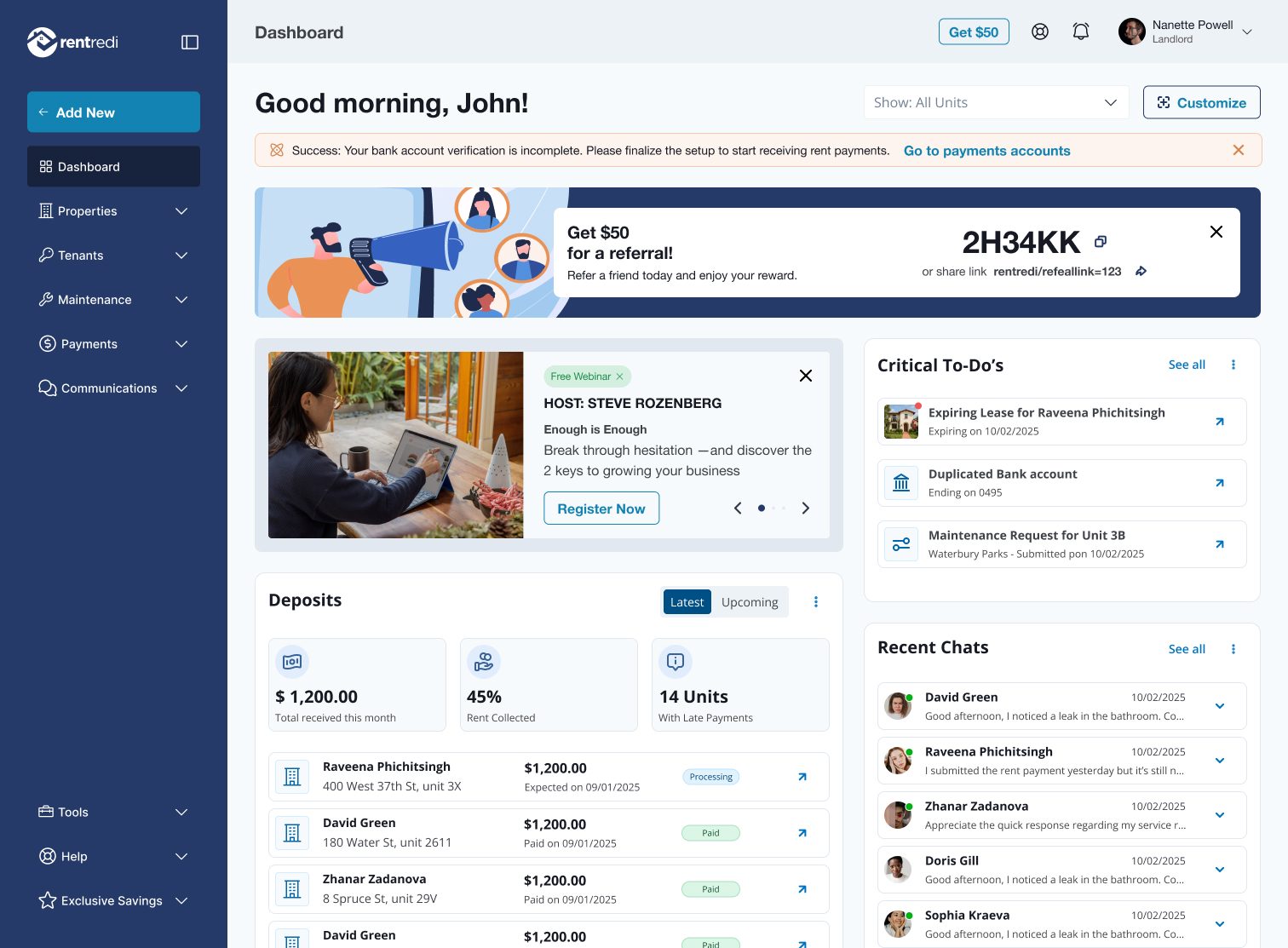
Landlord dashboard, after the redesign
Nine years in product and design, the last four as Product Lead at Wandr Studio, which builds products for founders. Earlier work includes TD Insurance and Mercedes-Benz.io. I also built and run Curas, a marketplace for holistic therapists in Portugal.
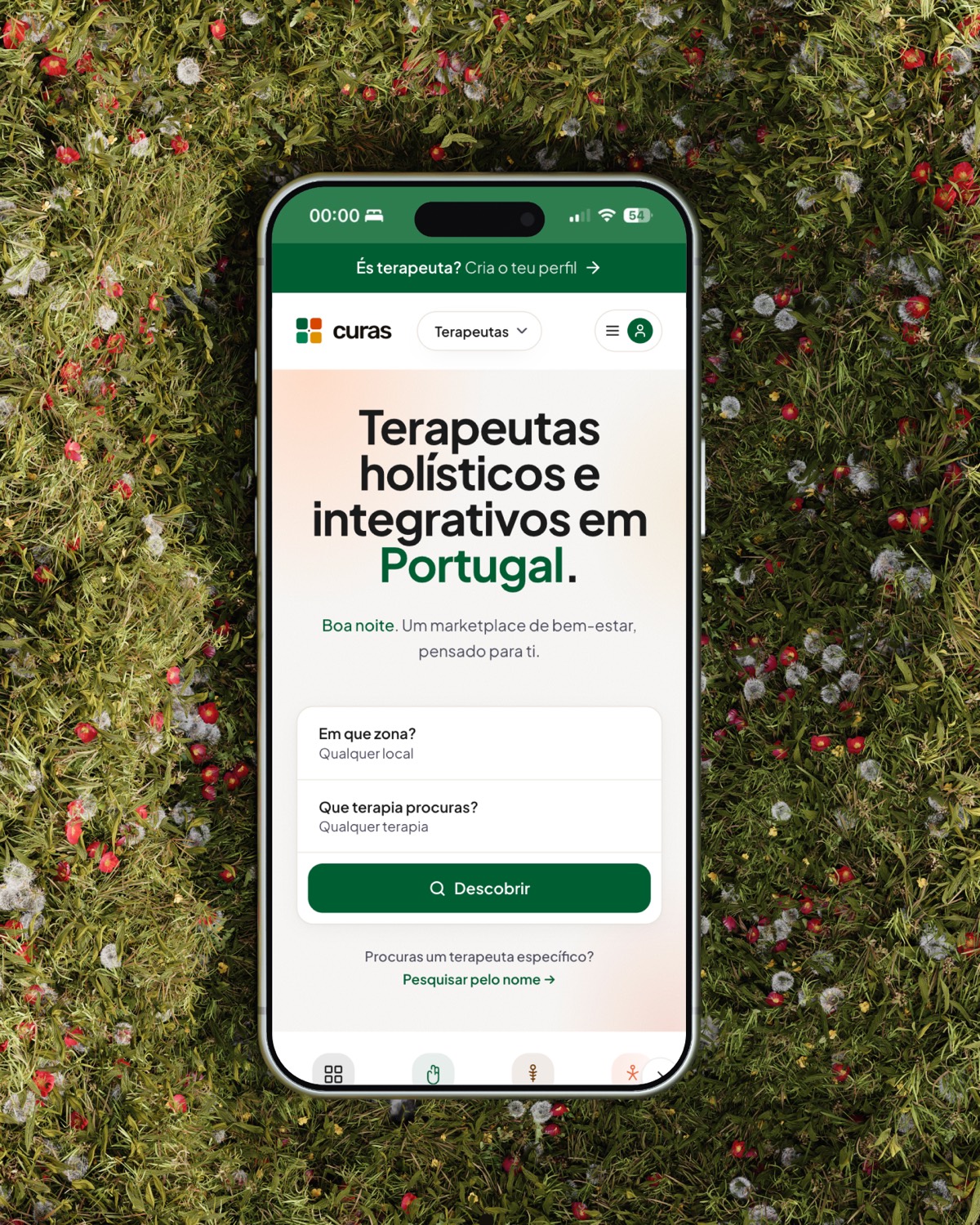
A product I built and run in my own time. Live since June 2026
Curas connects clients with holistic therapists in Portugal and gives therapists the tools to run their practice. I own it end to end: business model, product, design, build and growth. It went live six months after the idea and runs on automation and AI agents day to day.
Therapists pay a flat subscription and keep 100% of what a session earns: a deliberate trade-off of revenue that scales with bookings for the trust of the supply side.
Client work
2024–2025
Landlord dashboard, after the redesign
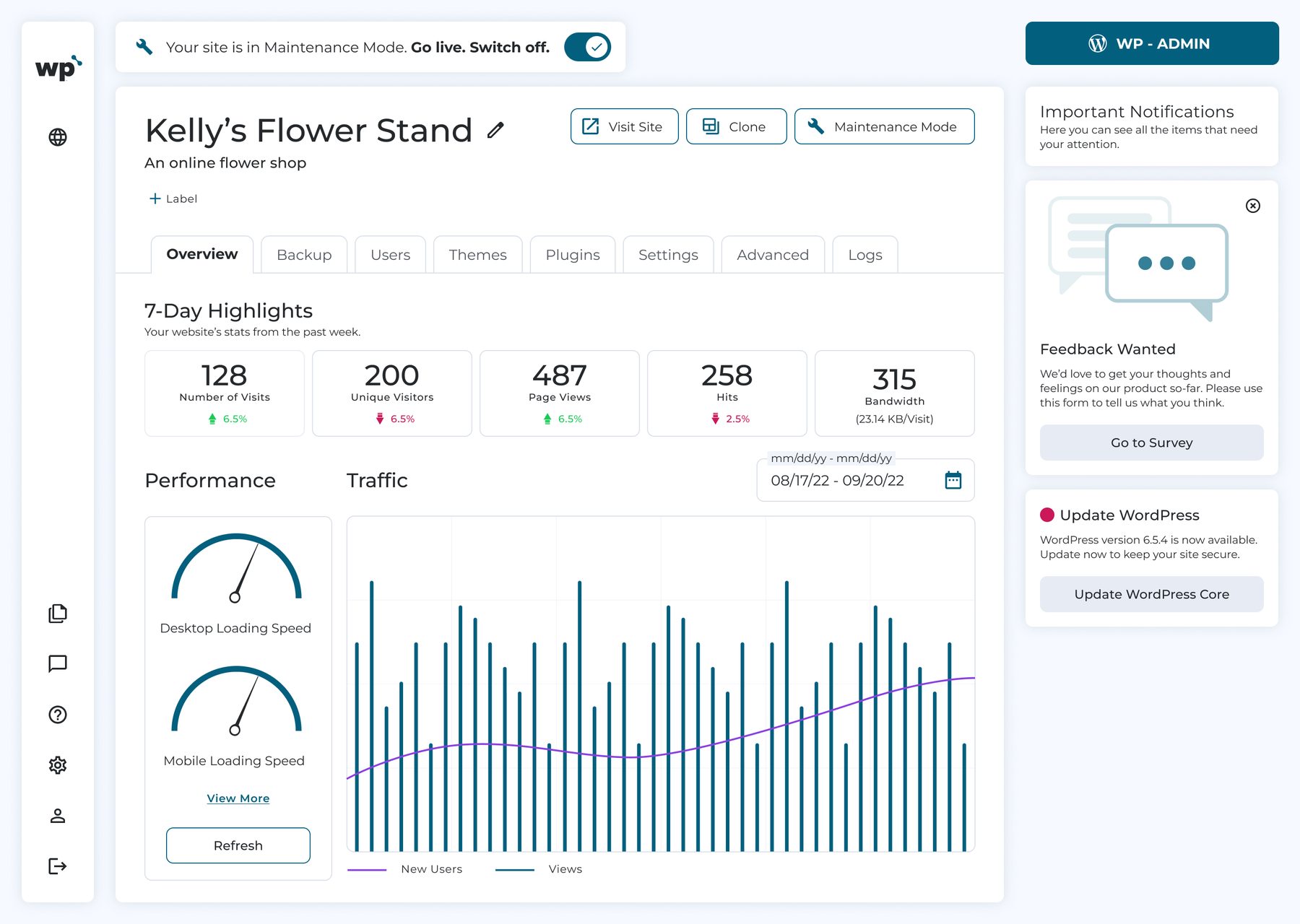
Site overview
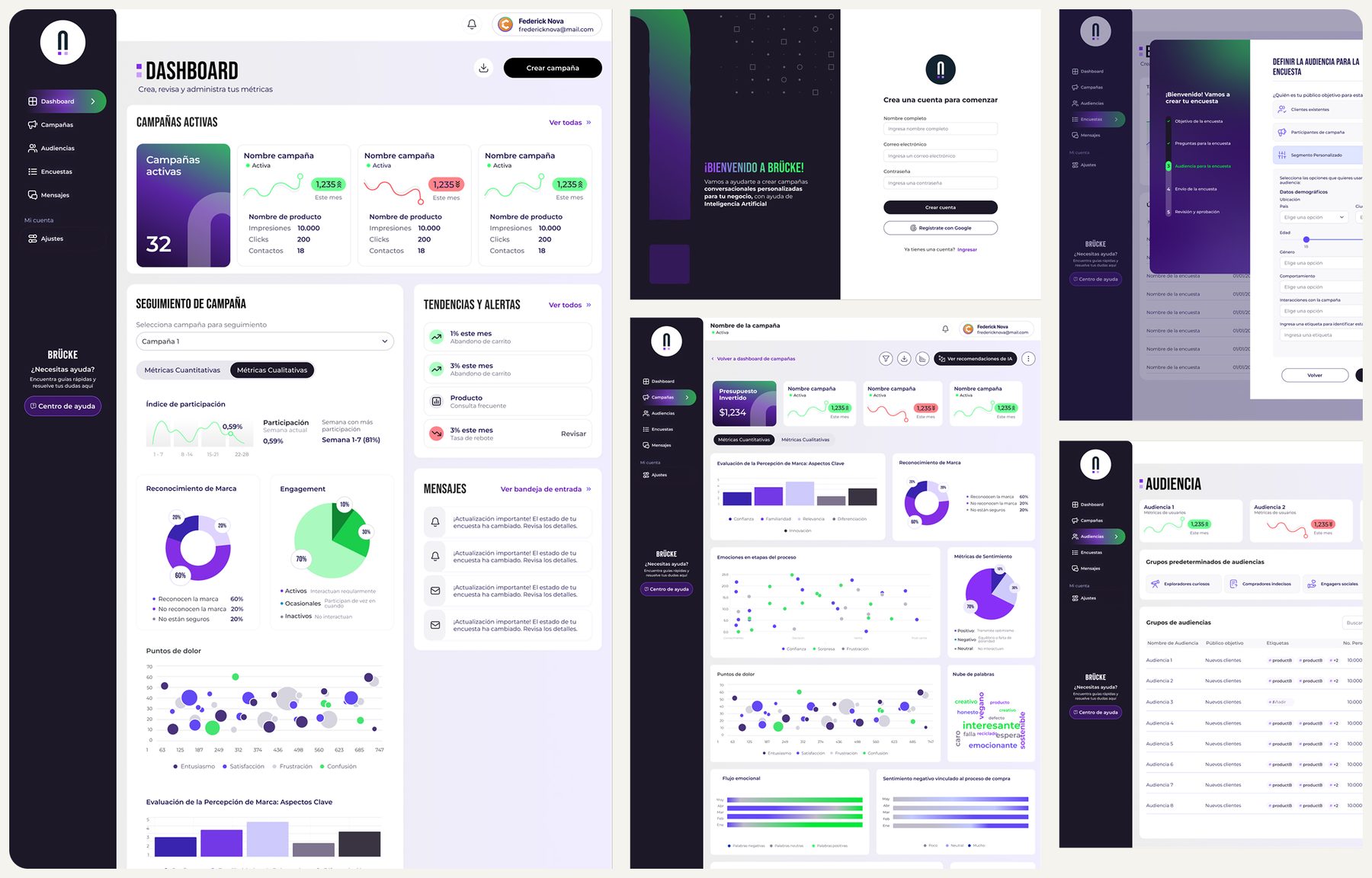
Campaigns, onboarding and audiences
Worked with
Approach
What I own
At Wandr Studio I lead product on what we build for founders. My first step on any product is to make decision ownership clear: who decides what goes into the product, and on what evidence.
Where the product is going and what gets cut to get there. On Curas I made every call myself, including the business model and the pricing.
Interviews and research, checked against analytics, because what people do and what they say they do often differ. Experience with early-stage teams helps me separate real product problems from stakeholder disagreements.
Prioritising, scoping and shipping with engineering. Brücke went from blank page to MVP in eight weeks, and the founders raised on it. The RentRedi redesign reached 40,000 users.
I name the metric before we build. On client work I hand it over at launch; on Curas I own it every week. At TD Insurance, A/B testing and behavioural data on the policyholder back-office cut support tickets around payments and coverage by 80%.
How work gets planned and how the team makes decisions. I set this up before the roadmap, because it lowers the cost of everything that follows, and I keep process as light as possible.
Also building
ORIS is a system of forty specialised agents that takes a ticket from strategy to handoff. I built it and use it on client work every week.
About
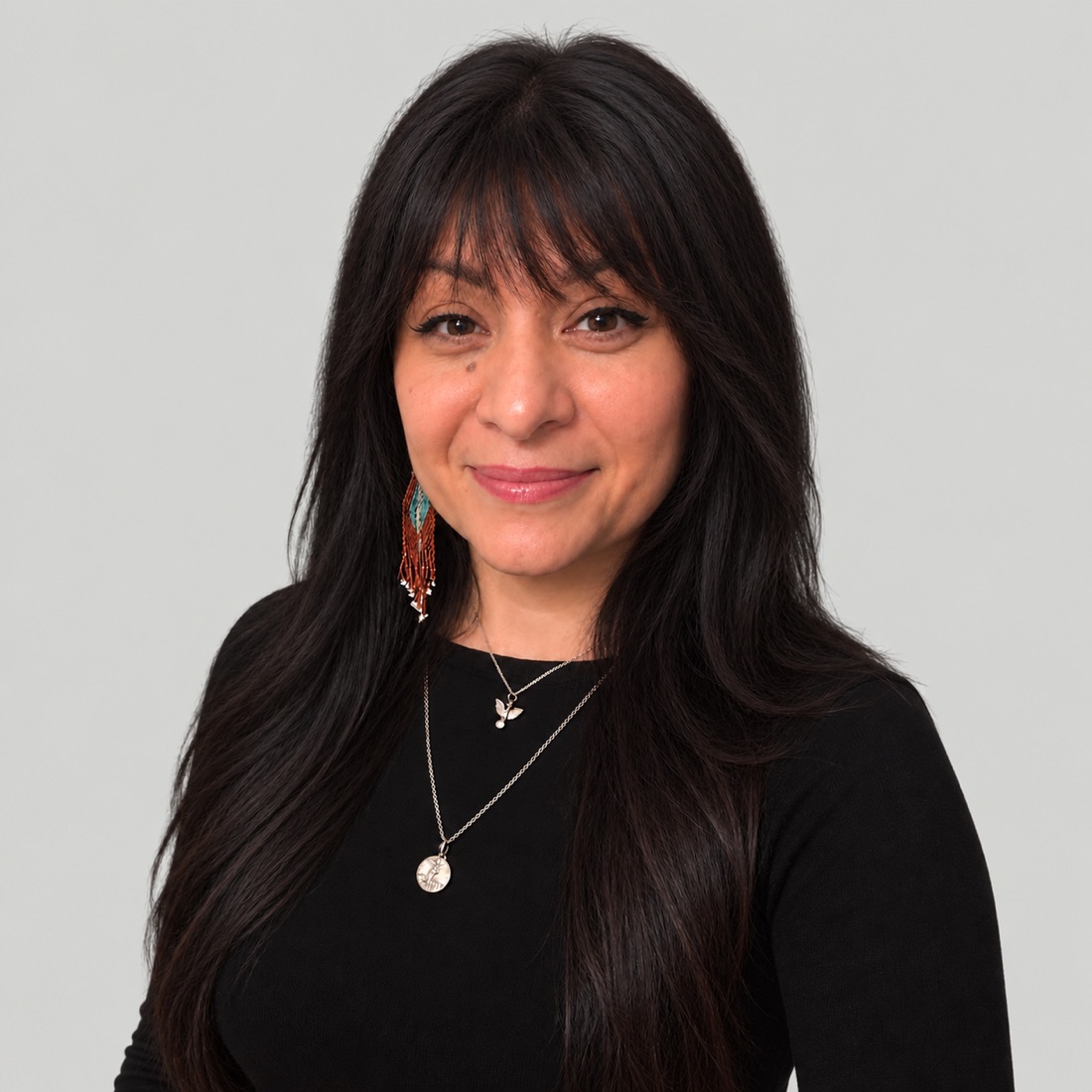
My background is in marketing and film, which I studied in Barcelona. I moved into design through an interest in why people struggle with products, and studied computer science alongside my design work to collaborate more closely with engineering. Nine years in, the hardest part of the job is still deciding what to build when the evidence is incomplete, and owning what I decide not to build.
I'm also a practising energy therapist, which has shaped how I listen to users and to teams.
“I've always been more interested in the why behind a decision than the deliverable itself.”
In their words
“She didn't just design screens, she defined what the product needed to be before anyone picked up a tool.”
“…she is a strategic thinker, an adaptable problem-solver, and a true asset to any organization.”
“Raq shines as a product design lead, displaying an unwavering commitment to precision and attention to detail.”
Contact